Laser resurfacing improves fine lines, wrinkles, sun damage, uneven skin texture, enlarged pores, selected acne scars, and certain surgical scars by stimulating new collagen formation and remodeling damaged skin. Depending on your skin concerns, treatment goals, skin type, and desired recovery time, different laser resurfacing techniques may be recommended.
During your consultation, we carefully evaluate your skin and recommend the resurfacing approach most likely to achieve meaningful, natural-looking improvement.
Overview of Laser Resurfacing
As we age, years of sun exposure and the natural aging process gradually lead to wrinkles, uneven pigmentation, rough texture, enlarged pores, and loss of skin elasticity. Laser resurfacing works by creating controlled injury within the skin, stimulating collagen production and allowing healthier skin to replace damaged tissue.
Although many patients seek laser resurfacing to improve wrinkles and signs of aging, it can also play an important role in improving selected acne scars and other textural irregularities.
What Can Laser Resurfacing Treat?
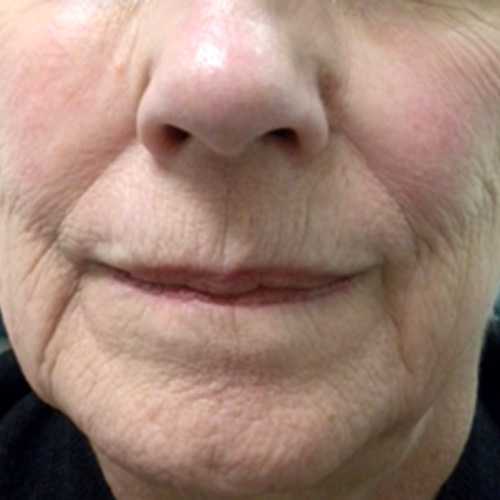
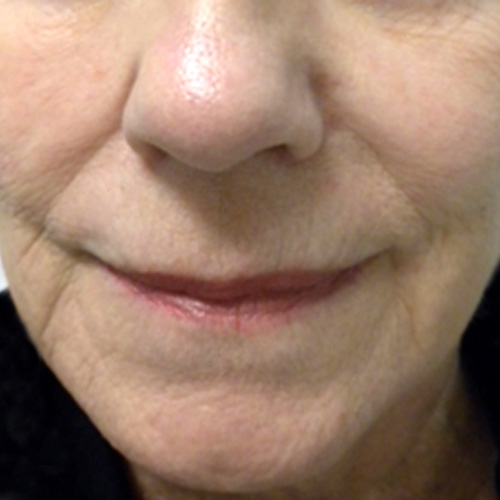
Laser resurfacing may improve a variety of skin concerns, including:
- Fine lines and wrinkles
- Sun-damaged skin (photoaging)
- Uneven skin texture
- Enlarged pores
- Dilated oil glands (sebaceous hyperplasia)
- Selected acne scars
- Some benign pigmentation irregularities
- Overall skin quality and collagen loss
Not every concern requires the same type or depth of resurfacing. Treatment recommendations are individualized based on your skin and goals.
Types of Laser Resurfacing
Fractional CO₂ Laser Resurfacing
Fractional CO₂ laser resurfacing creates thousands of microscopic treatment columns within the skin while leaving surrounding tissue intact to promote faster healing. Because it produces significant collagen remodeling, it is particularly effective for improving deeper wrinkles, more advanced sun damage, uneven texture, and selected acne scars.
Erbium Laser Resurfacing
Er:YAG laser (sometimes simply called “Erbium” laser) resurfacing removes damaged skin with less thermal injury than CO₂ resurfacing. Because recovery is generally somewhat shorter, it is often selected when moderate resurfacing is desired while minimizing downtime.
Non-Ablative Laser Resurfacing
Unlike ablative laser resurfacing, non-ablative lasers leave the skin surface intact while delivering heat beneath the skin to stimulate collagen remodeling. Recovery is generally shorter, although improvement is often more gradual and multiple treatments may be recommended. Non-ablative resurfacing may be appropriate for selected patients with mild textural changes, acne, or other conditions.
However, not every patient needs the deepest laser treatment.
The best laser is not always the strongest laser. Different concerns—including wrinkles, sun damage, enlarged pores, acne scars, and skin texture—often require different resurfacing approaches. During your consultation, we recommend the treatment that is most appropriate for your skin rather than using the same laser for everyone.
Laser Resurfacing for Acne Scars
Although laser resurfacing can improve many acne scars, it is not always the first treatment we recommend.
Many acne scars develop because they remain tethered beneath the skin or involve structural changes that cannot be corrected by resurfacing alone. Procedures such as subcision, TCA-CROSS, punch excision, or punch elevation often address these deeper problems before laser resurfacing is performed.
Once these structural concerns have been treated, laser resurfacing frequently becomes an excellent way to improve overall skin texture, soften transitions between scars, and stimulate additional collagen remodeling.
Rather than recommending laser resurfacing for every patient, we determine which combination of treatments is most appropriate for your individual scars. In some patients, laser resurfacing is the primary treatment. In others, it produces the best results after deeper structural problems have already been addressed.
Successful laser resurfacing involves more than selecting settings on a machine. It requires determining whether resurfacing is the most appropriate treatment in the first place, selecting the correct type and depth of resurfacing, and recognizing when another procedure should be performed before laser treatment. Our goal is not simply to perform laser resurfacing, but to recommend the treatment—or combination of treatments—that is most likely to produce meaningful, natural-looking improvement for each individual patient.
Recovery and Expectations
Recovery varies depending on the type and depth of laser resurfacing performed.
Most patients experience temporary redness, swelling, and peeling as the skin heals. Deeper resurfacing generally requires a longer recovery period but often produces greater collagen remodeling.
Temporary pigmentation changes may occur, particularly in darker skin types, making careful sun protection during healing especially important.
Makeup may usually be worn once the skin has adequately healed, depending on the depth of treatment.
Although the skin surface heals within days to weeks, collagen remodeling continues beneath the skin for several months, and improvement often develops gradually over time.
Frequently Asked Questions
Which type of laser resurfacing is right for me?
The answer depends on your skin concerns, skin type, desired recovery time, and treatment goals. During your consultation, we will recommend the resurfacing approach that is most appropriate for your individual situation.
Can laser resurfacing improve acne scars?
Yes. Laser resurfacing can improve many acne scars, particularly when combined with other procedures such as subcision, TCA-CROSS, or punch techniques when appropriate.
How much downtime should I expect?
Recovery depends on the type and depth of resurfacing performed. Mild treatments generally involve less downtime than deeper resurfacing procedures. Specific expectations will be discussed during your consultation.
Will I need more than one treatment?
Some patients achieve excellent improvement after a single treatment, while others benefit from additional sessions. Recommendations depend on your skin concerns, healing response, and treatment goals.
Is laser resurfacing painful?
Depending on the procedure being performed, topical anesthetics, local anesthesia, or other comfort measures are used to maximize patient comfort during treatment.
Whether your goal is improving wrinkles, reversing sun damage, treating acne scars, or restoring smoother, healthier-looking skin, we will carefully evaluate your concerns and recommend the laser resurfacing approach most likely to achieve your goals.