Wrinkles develop as a result of natural aging and prolonged exposure to ultraviolet radiation, a process known as photoaging. While similar in appearance, wrinkles caused by sun damage often develop earlier and may be associated with uneven skin tone, brown spots, broken capillaries, enlarged pores, and skin laxity.
Understanding the type of wrinkle is essential, as different types require different treatment approaches.
Types of Wrinkles
Wrinkles are generally divided into two categories: dynamic and static.
Dynamic lines are caused by repetitive muscle movement and tone. A common example is frown lines, which develop due to habitual muscle activity.
Static lines are present at rest and are primarily due to volume loss, such as the natural reduction of facial fat over time. Smile lines are a typical example.
This distinction is important, as effective wrinkle treatment requires addressing the underlying cause of each type.
Botulinum Toxins
Botulinum toxins, such as Botox and Xeomin, work by temporarily reducing muscle movement and tone, helping to soften dynamic wrinkles.
When used appropriately, these treatments do not create an expressionless appearance. Instead, they reduce excessive or habitual muscle activity, such as subconscious frowning.
With continued use, the targeted muscles gradually weaken, leading to longer-lasting improvement. Treatments are typically repeated every 3 to 4 months, although frequency may vary depending on the area treated.
Dermal Fillers
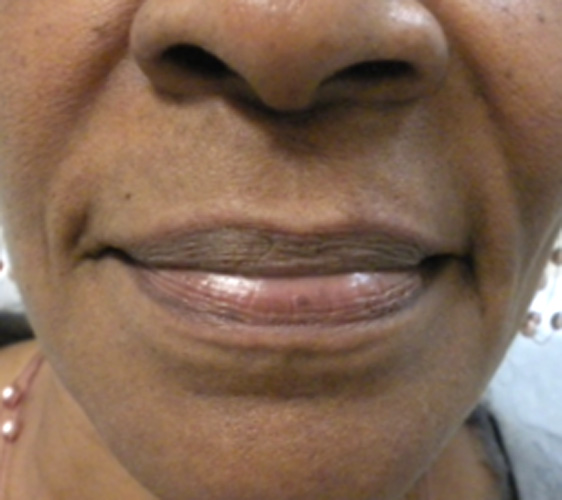
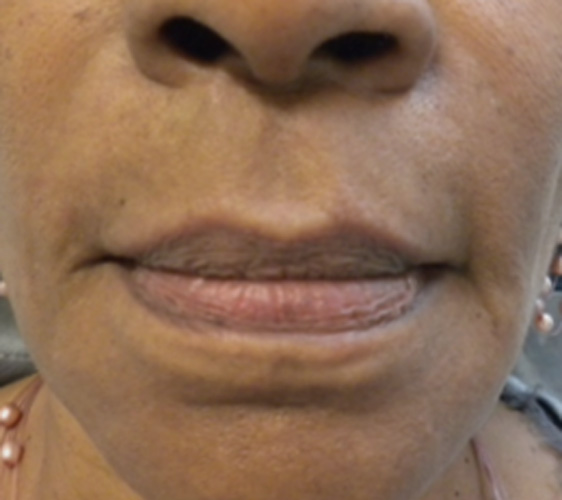
Dermal fillers are used to restore lost volume and improve the appearance of static wrinkles.
A variety of fillers are available, each with specific applications depending on location, depth, and desired duration. In our practice, we use hyaluronic acid fillers (such as Revanesse Versa and Lips, Belotero Balance, Restylane, and Juvederm), calcium hydroxylapatite (Radiesse), and poly-L-lactic acid (Sculptra).
Sculptra works differently by stimulating the body’s natural collagen production, gradually restoring volume over time.
Permanent fillers are available but are not used in our practice, as they do not adapt to natural changes in facial structure over time.
Laser Resurfacing
Laser resurfacing can improve fine lines and other signs of photoaging. While it may not fully correct deeper wrinkles on its own, it is often used in combination with botulinum toxins or fillers for optimal results.
Treatment options include ablative, non-ablative, and fractional resurfacing. All work by delivering energy into the skin to stimulate new collagen formation.
Non-ablative resurfacing offers minimal downtime but more gradual results. Fractional resurfacing creates targeted micro-injuries, leading to more noticeable improvement with a slightly longer recovery period. Ablative resurfacing removes the outer skin layer and provides more significant results but requires more downtime.
Choosing the Right Treatment
Because wrinkles result from different underlying processes, treatment must be tailored to the individual. In many cases, combining therapies provides the most natural and effective outcome.
A personalized consultation helps determine the best approach based on your specific concerns and goals.
Frequently Asked Questions
What is the difference between Botox and fillers?
Botulinum toxins relax muscle movement to treat dynamic wrinkles, while fillers restore volume to improve static lines.
How long do wrinkle treatments last?
Botulinum toxins typically last 3–4 months, while fillers may last several months to over a year depending on the product used.
Will I look unnatural after treatment?
When performed properly, treatments are designed to produce natural-looking results without an artificial appearance.
Can treatments be combined?
Yes. Combining treatments such as Botox, fillers, and laser resurfacing often provides the best overall improvement.
Schedule a consultation to discuss your goals and explore the most appropriate treatment options for you.