Skin aging occurs as a result of both natural aging and excessive sun exposure. The latter process, known as photoaging, is the primary contributor to prematurely aged skin.
Signs of photoaged skin may include irregular skin tone (such as redness, broken capillaries, sun spots, and freckles), altered skin texture, enlarged pores, wrinkles and fine lines, and skin laxity.
Overview of Laser Resurfacing
Over the years, numerous procedures have been developed to improve the effects of natural and sun-induced skin aging. Laser resurfacing is a well-established and effective technique for skin rejuvenation.
Resurfacing lasers are generally categorized into three types: ablative, non-ablative, and fractional. Each approach offers different levels of improvement, downtime, and recovery.
Ablative Laser Resurfacing
Ablative lasers, such as CO2 and erbium lasers, were the first to be used for skin resurfacing. These devices remove the outer layer of the skin while simultaneously penetrating deeper layers to stimulate new collagen formation.
This dual effect allows for significant improvement in skin texture, wrinkles, and other signs of aging. However, these treatments typically involve longer downtime and a more extended healing period.
Non-Ablative Laser Resurfacing
Non-ablative lasers do not remove the outer layer of the skin. Instead, they deliver energy into deeper layers to stimulate collagen production while leaving the surface intact.
These treatments typically involve little to no downtime and are sometimes referred to as “lunchtime rejuvenation.” While effective for certain conditions, such as acne, acne scars, and sebaceous hyperplasia, they generally produce more subtle improvements compared to ablative techniques.
Fractional Laser Resurfacing
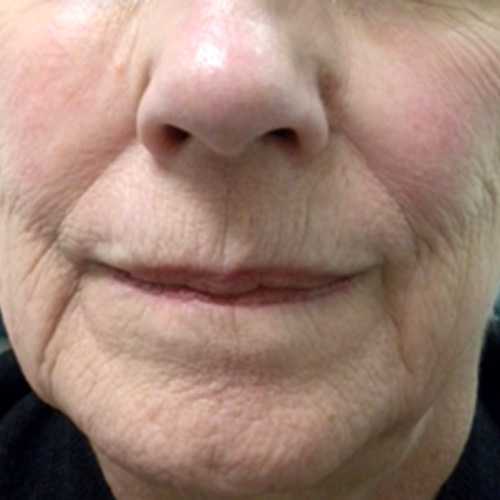
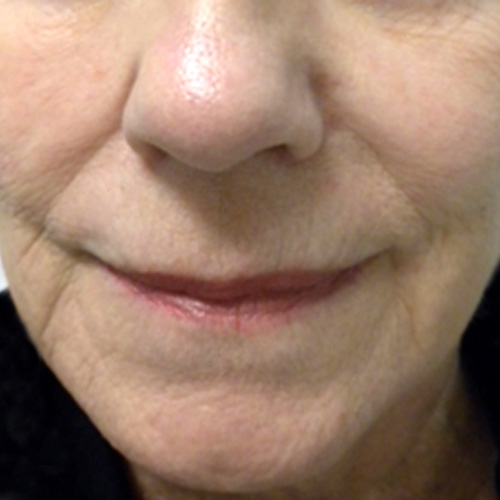
Fractional lasers are a newer approach to resurfacing that deliver laser energy in microscopic columns, treating only a fraction of the skin at a time.
Because surrounding tissue remains intact, healing is faster than with traditional ablative lasers. At the same time, the laser energy penetrates deeply enough to stimulate collagen production and improve skin texture and tone.
Treatment Expectations
Laser resurfacing treatments are generally well tolerated. Redness, crusting, and swelling are common and may last from approximately 3 to 10 days, depending on the type of laser and treatment settings.
More than one treatment may be required to achieve optimal results, depending on the degree of photoaging. If multiple sessions are recommended, this will be discussed prior to treatment.
Frequently Asked Questions
What is the difference between ablative and non-ablative lasers?
Ablative lasers remove the outer layer of the skin and provide more dramatic results, while non-ablative lasers leave the surface intact and typically involve less downtime but more gradual improvement.
What is fractional laser resurfacing?
Fractional lasers treat the skin in small columns, leaving surrounding tissue intact. This allows for faster healing while still stimulating collagen production.
How much downtime should I expect?
Downtime varies depending on the type of laser used. Some treatments require little recovery time, while others may involve several days of redness, swelling, or peeling.
Will I need more than one treatment?
Multiple treatments may be recommended depending on the severity of skin aging and the type of laser used.
Laser resurfacing can be tailored to your specific skin concerns and goals. Schedule a consultation to determine the most appropriate treatment approach for your needs.