Acne scars can be one of the most frustrating consequences of acne, especially when previous treatments have not worked. Many people assume acne scarring is related to skin care habits, but in reality, it results from the way the skin heals, leading to permanent changes in texture.
If your scars have not improved despite prior treatments, you are not alone. The good news is that advanced, targeted procedures can significantly improve even stubborn acne scars.
Why Acne Scars Can Be Difficult to Treat
Acne scars vary widely in shape, depth, and texture. Some appear raised (hypertrophic), while others are sunken (atrophic), such as icepick, boxcar, or rolling scars.
These scars can be particularly resistant to treatment, especially when they extend into deeper layers of the skin. In some cases, scars may worsen with ongoing breakouts or remain unchanged despite over-the-counter or professional treatments.
Because of this variability, a personalized approach is essential for achieving meaningful, long-term improvement.
Advanced Treatments for Stubborn Acne Scars
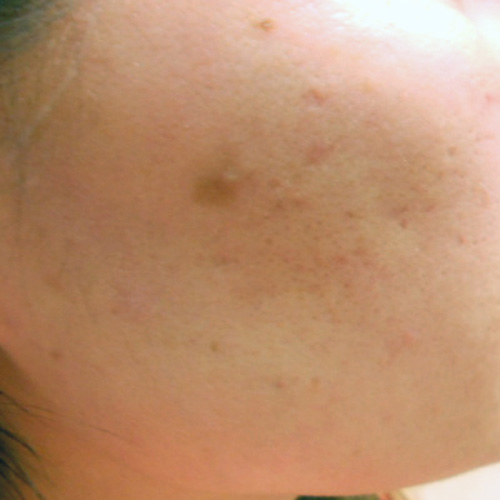
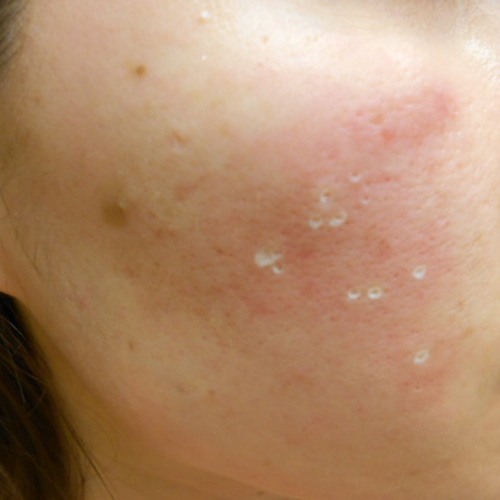
Many patients seeking treatment have already tried options such as chemical peels, fillers, lasers, or topical therapies with limited success.
For more resistant scars, we offer targeted procedures designed to address the underlying structure of the scar:
Treatment Options
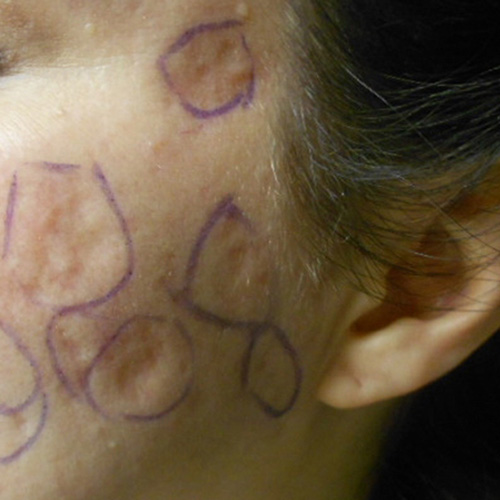
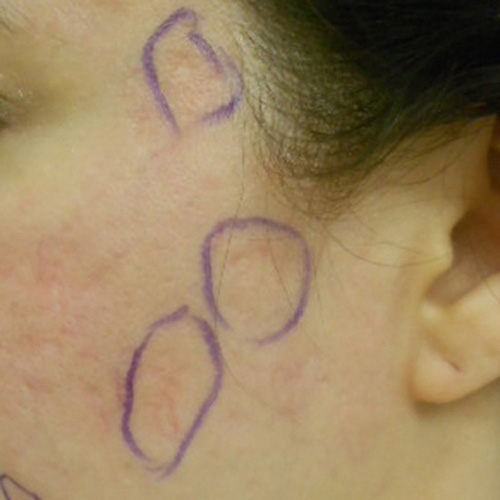
Subcision
Subcision is best suited for rolling or tethered scars. A specialized instrument (Admix needle) is used to release the scar from underlying tissue, allowing collagen to rebuild and improve the contour.
TCA-CROSS
TCA-CROSS (Trichloroacetic Acid-Chemical Reconstruction of Skin Scars) is effective for boxcar and superficial icepick scars. A controlled application of trichloroacetic acid stimulates collagen production and helps fill in depressions.
Punch Excision
Punch excision may be used for deep scars such as icepick scars. The scar tissue is removed and the area is carefully closed, often producing a much smoother result.
Fractional Laser Resurfacing
Fractional laser resurfacing may be used to improve overall skin texture after deeper scars have been treated. This technology stimulates collagen and smooths the skin by targeting microscopic areas beneath the surface.
Why These Treatments Work
Unlike more superficial treatments, these procedures address the underlying cause of acne scars. By targeting deeper layers of the skin or releasing scar tissue, they allow the skin to heal in a more natural and even way.
Because each patient’s scars are unique, treatment is customized based on the type, depth, and distribution of scars to achieve the best possible results.
A More Effective Approach
Many patients have invested significant time and money into treatments that provided minimal improvement. Our approach focuses on selecting procedures that are appropriate for your specific type of scarring, helping avoid ineffective or unnecessary treatments.
The goal is not just temporary improvement, but meaningful, lasting results.
Dr. Berlin has extensive experience in advanced acne scar treatment and has worked with many patients who did not achieve results with prior procedures. He has also contributed to medical literature on acne scar treatment.
Each treatment plan is carefully tailored to the individual to ensure the most effective approach for their specific concerns.
Frequently Asked Questions
Can acne scars be completely removed?
While complete removal is not always possible, significant improvement in texture and appearance can often be achieved with the right combination of treatments.
How many treatments will I need?
Most patients require a series of treatments depending on the type and severity of scarring.
Do these treatments hurt?
Most procedures are performed with local anesthesia or numbing to keep patients comfortable.
When will I see results?
Some improvement may be visible early, but full results develop gradually as collagen rebuilds over time.
Schedule a consultation to discuss your options and find the most effective treatment plan for your skin.